
Easter Insurance Policy?


Easter Insurance Policy?
On Easter Sunday, churches all over the world proclaimed the “gospel of the resurrection of Jesus Christ.” You may have heard something like this:
Jesus was beaten and killed for your sins, paying the debt you owed, so you can go to heaven one day. If you believe in him, you can be saved today. Just say this prayer…
This is the version of salvation that many of us were handed. Is this the expression of faith that early disciples of Christ, and countless followers, risked their lives and many even died for? Or have we reduced salvation to something safer, a formulaic spiritual insurance policy, with minimal disruptions to our daily lives?
When Lazarus died, his sister Martha said to Jesus, “I know he will rise again in the resurrection at the last day.”1 That’s what we’ve come to believe about death—rising again one day in an eternal home.
But Jesus says to Martha, “I am the resurrection and the life. The one who believes in me will live, even though they die; and whoever lives by believing in me will never die.”2
The “resurrection and life” was standing before Martha, showing her how to live before death, not just a reward for after.
What if the resurrection isn’t just about where you go when you die, but about what God is doing in the world right now?
What if we understood that the resurrection is present and not just future? Then, it must confront the realities we live in, like Jesus did, including injustice, suffering, and systems that deliver death.
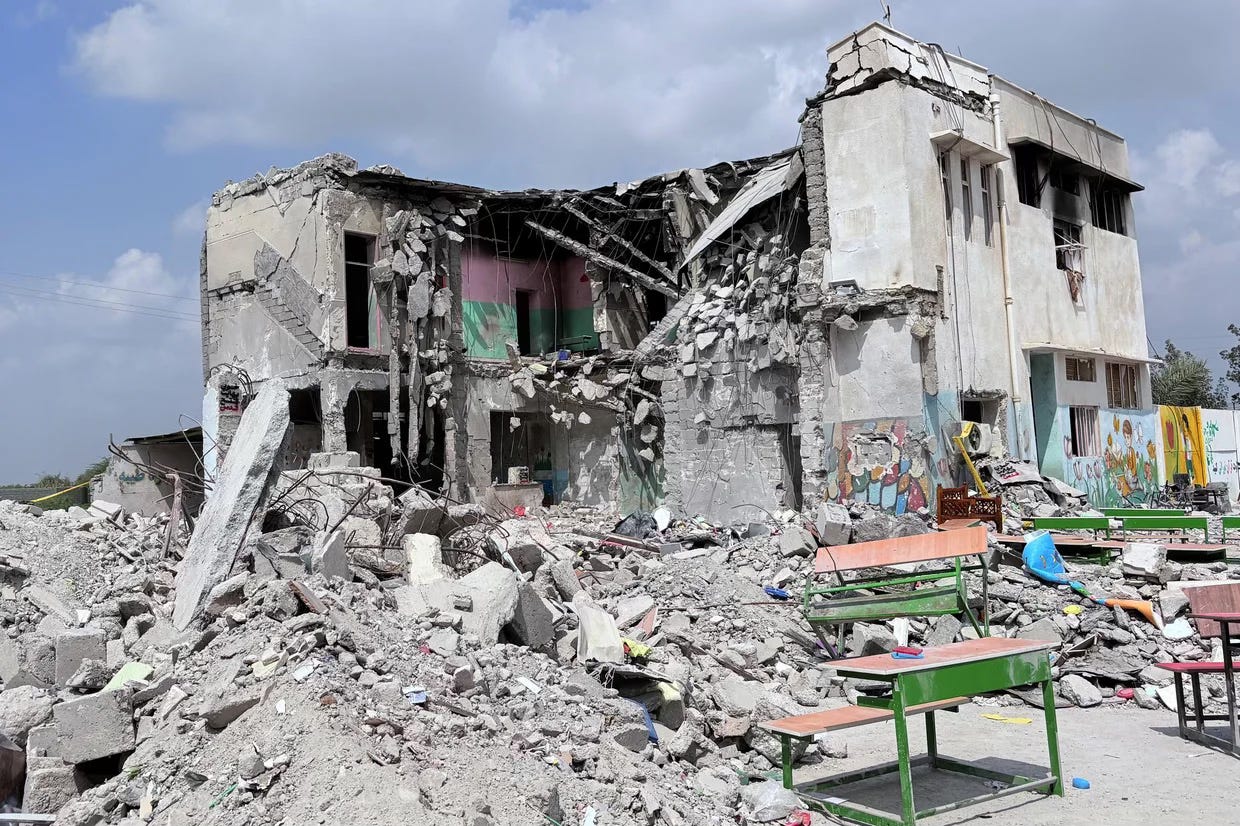
I know a man who was poor, unhoused, and had no formal education. He came from an oppressed people living under military occupation. He was arrested, convicted, publicly humiliated, and executed by the state.
How do you think Jesus would treat someone like that?
Well…this is who Jesus was.
Rev. Dr. Sarah Jobe, an experienced prison chaplain, writes:
As Jesus goes about this prophetic life-work as a homeless man of an occupied ethnicity in an occupied country, he starts experiencing more and more death threats and run-ins with the law…
Jesus is arrested, tried on charges of sedition, found guilty, given a death sentence, and executed. The man who said he came to proclaim freedom for the prisoners becomes one himself.3
Our savior, a convicted criminal.
And He didn’t just die. He was arrested, tried, convicted, and executed by the state. In other words, the system said “guilty” and delivered a death sentence.
What does that have to do with the resurrection?
The resurrection is the overturning of a death sentence. And not just Jesus’ death sentence, but death in the broadest sense—from death-dealing systems (like prisons, militarism, and unequal access to healthcare) to “death” itself over all creation.
The resurrection isn’t just about eternity. It changes how we live right now.
And if it doesn’t, then maybe we simply have an insurance policy to cash in at death.
The former, not the latter, means the resurrection costs us something.
Reframing the Good News of the Cross
Contrary to what many Christians have been taught, Jesus did not die on the cross so you wouldn’t have to. It’s quite the opposite. He died on the cross, and we, too, must die.4
Nijay Gupta, NT scholar, puts it this way,
The path to new life is not around death. It is as if Jesus says to us, “The bad news is that you will have to die; the good news is that I have made a path through death if you live in me and if I live in you. It will hurt like hell, but resurrection and new life will win out.5
This is important to understand because it breaks the mold of a comfortable, convenient, privatized faith. Jesus’ death allows us to face death and death-dealing systems with confidence that God’s resurrecting power overturns them and brings new life.
This is the work that Christ has accomplished through the cross. With this understanding, we see the crucifixion is not just a “once and for all” event, but an invitation. We join God as “ministers of reconciliation,” participating in His work of reconciling the cosmos.6 And that means confronting death.
And not from a distance, but up close and personal.
As Jesus hung on the cross, there were two others with Him, sentenced to the same death.
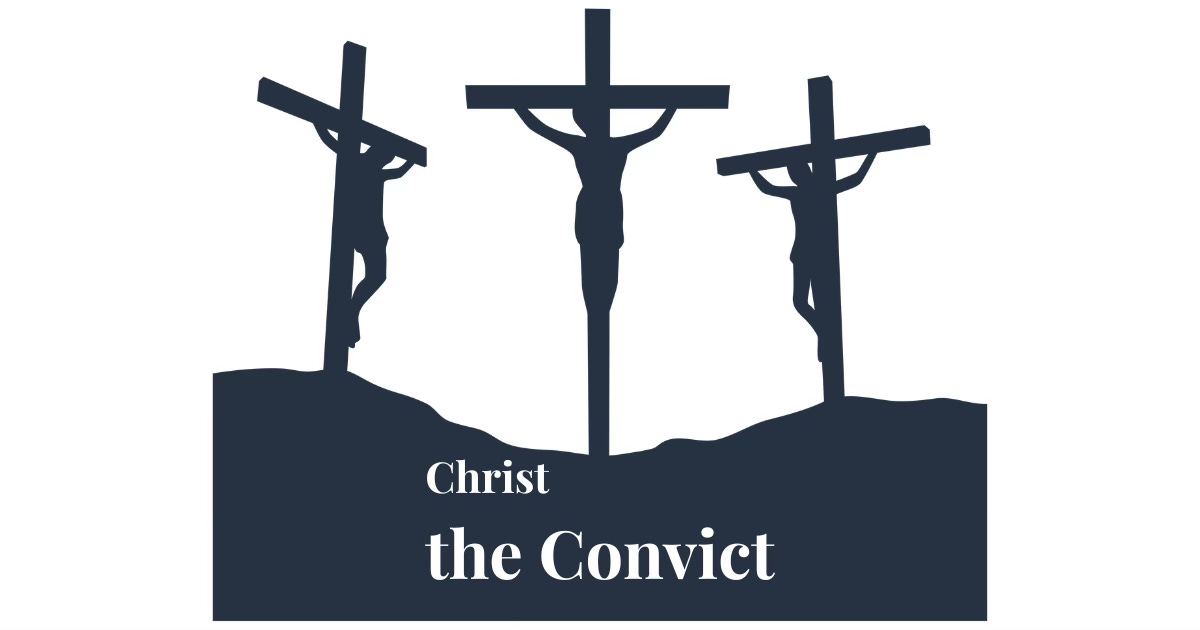
No one before and no one afterwards has witnessed so directly and so closely God’s act of reconciliation, God’s glory and the redemption of the world, as these two thieves … These two companions were evidently and undeniably criminals, evil people, god-less people, unjust people. And (Jesus), like them, was condemned and crucified as a lawbreaker, a criminal. All three were under the same verdict.7
If this is Jesus, then following him cannot mean staying away from the places and people afflicted and tormented by death.
Reflecting on Karl Barth and the convicted Christ, Dr. Jobe writes, “the rest of us can do nothing but get in line behind the criminals if we ever want to get close to Christ.”8
After Easter, the question for the Christ follower is no longer whether you believe in the resurrection.
It’s whether you’re willing to join God’s work in overturning death and injustice now.
So yes, Jesus died for you. And to follow him, you have to die too.
John 11:24, NIV.
John 11:25-26, NIV.
Sarah Jobe, No Godforsaken Place: Prison Chaplaincy, Karl Barth, and Practicing Life in Prison (New York, NY: T&T Clark, 2025), 39.
Galatians 2:20.
Nijay K. Gupta, 15 New Testament Words of Life: A New Testament Theology for Real Life (Grand Rapids, MI: Zondervan Academic, 2022), 57.
2 Corinthians 5:11-21.
Jobe, No Godforsaken Place, 36.
Jobe, No Godforsaken Place, 34.